For someone on probation, the right next step depends on more than the offense. Substance use, mental health, treatment history and housing can all shape whether a person is able to engage in treatment and move forward.
Yuba County Probation Department and Bright Heart Health have partnered to bring that fuller picture into view. Bright Heart Health providers complete comprehensive behavioral health assessments for people involved with probation, diversion and the justice system, then share clinical recommendations with the county.
How the partnership works
Yuba County's Probation Department counts enhancing judicial decision-making through the assessment of risks and needs among its core responsibilities. Its Adult Division prepares reports and sentencing recommendations for the Superior Court, makes pretrial recommendations and sets supervision levels based on each person's needs.
Bright Heart Health adds the clinical piece. Our providers assess opioid use disorder, substance use disorder and mental health needs, and the resulting recommendations go to Yuba County for consideration by probation staff and, when appropriate, the Court.
The assessment is not the final decision. Yuba County decides how the information is used within probation, court and other justice-system processes. The path looks like this:
- Assessment of substance use and mental health needs
- Understanding of the person's history and circumstances
- Recommendation on treatment and level of care
- Connection to the services that fit
Why a full assessment matters
Lily Cervantes, Deputy Probation Officer with Yuba County Probation, helps people on probation or in diversion programs connect with treatment, recovery resources and community services. The challenges she sees often overlap: limited access to mental health and substance use treatment, co-occurring needs, transportation barriers and housing instability.
Before the partnership, assessments were typically completed by a substance use disorder counselor at a local behavioral health clinic.
"A comprehensive assessment would allow us to better understand their history of drug use, mental health diagnoses, and childhood or developmental experiences, so we could identify their specific needs and connect them with the most appropriate treatment and services."
Lily Cervantes, Deputy Probation Officer, Yuba County Probation
Telehealth reaches people in custody and out
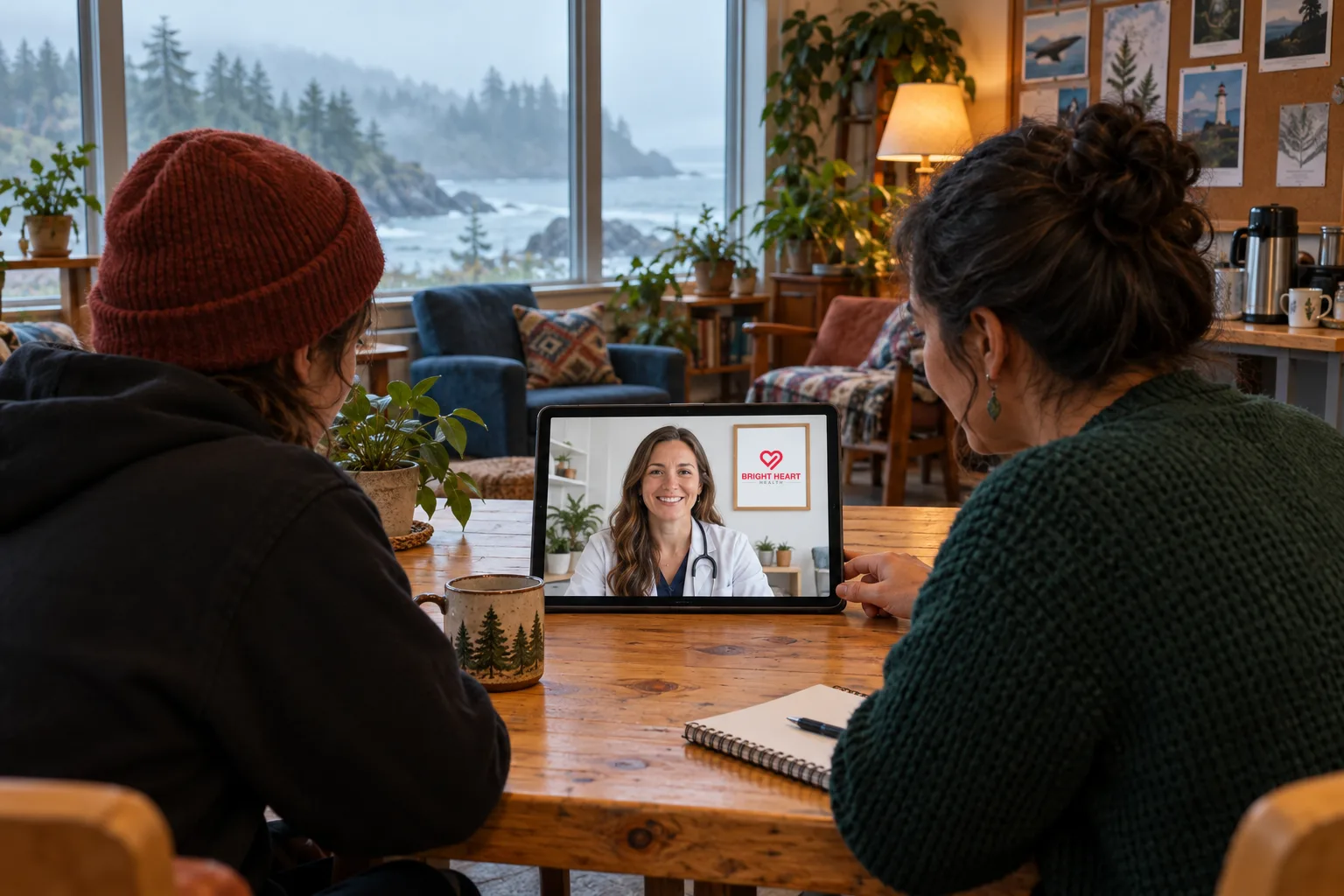
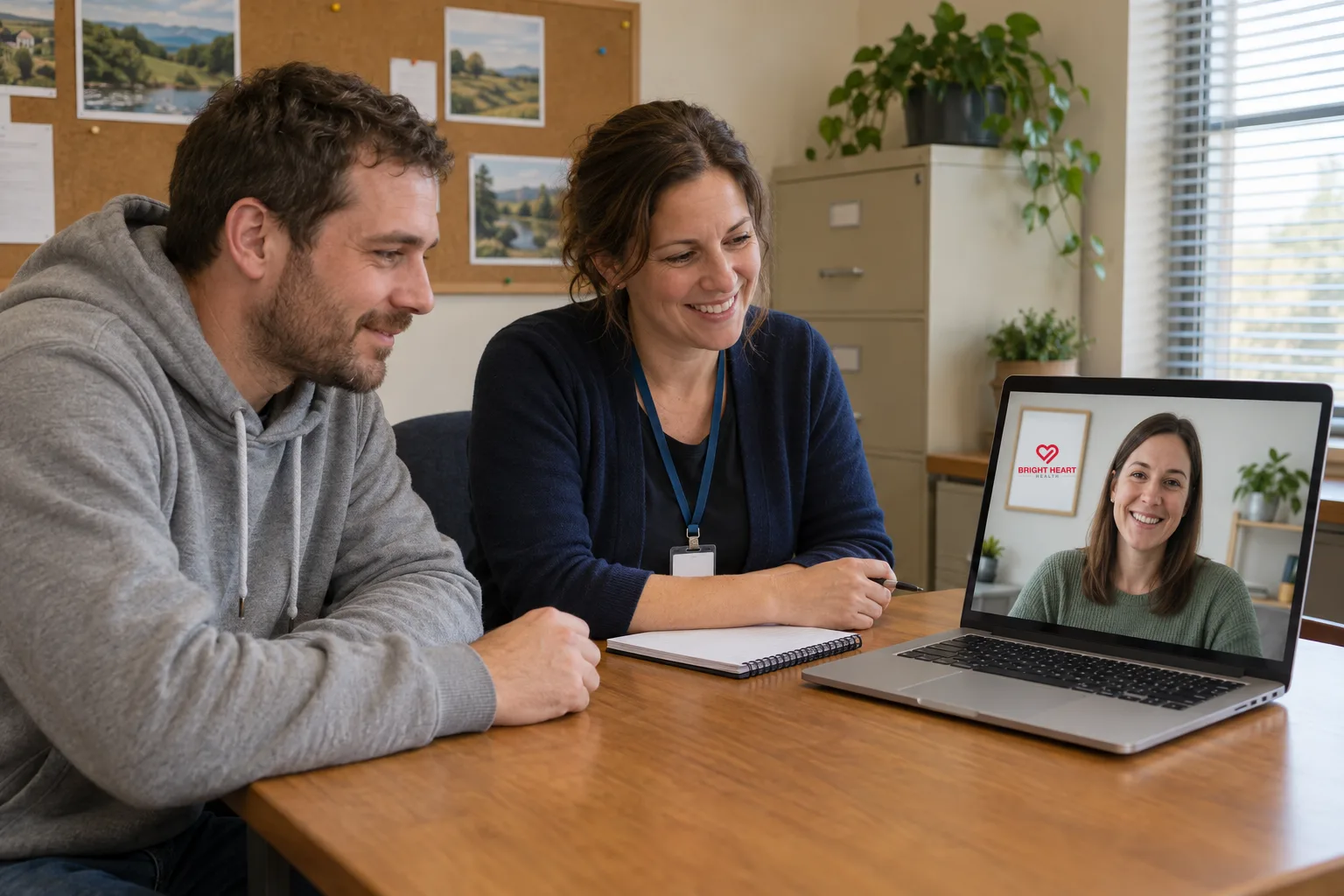
Because assessments happen by secure video, Yuba County can schedule them for people in custody and for people living in the community. That removes much of the coordination that can make assessments hard to arrange for someone in detention.
"It allows us to schedule clients both in custody and out of custody, making it easier to complete assessments without being limited by location."
Lily Cervantes, Deputy Probation Officer, Yuba County Probation
What the assessment helps answer
For probation officers and the Court, a comprehensive assessment adds clinical information to everything else already known about a person's case. It helps answer questions such as:
- What behavioral health needs are present?
- Is substance use a significant factor?
- Are there co-occurring mental health needs?
- What treatment or services may be appropriate?
- What level of care may best fit the person's needs?
The assessment does not replace the judgment of probation officers, jail staff or judges. It strengthens the information available to them.
From assessment to the right next step
When an assessment finds a need for both mental health services and substance use treatment, the person can be referred to behavioral health services for added support. Cervantes notes that addressing both needs can help people engage more fully in treatment and make progress in recovery.
What makes the partnership work
- Clear communication about assessments, scheduling and client needs
- Flexibility to work with people in custody and in the community
- Trust that the clinical partner is responsive and reliable
- A shared commitment to the client, with each organization clear on its role
Cervantes describes communication between the two teams as positive and consistent, and says the partnership helps clients receive timely assessments and connect with the right level of care.
"The most important elements are clear communication, flexibility, trust, and a shared commitment to serving the client."
Lily Cervantes, Deputy Probation Officer, Yuba County Probation
Partnering with Bright Heart Health
Bright Heart Health provides telehealth assessment and treatment for opioid use disorder, substance use disorder and mental health needs in California, New Mexico and North Carolina. Counties, courts and community partners interested in a similar partnership can reach out to our team.
Sources
- Lily Cervantes, Deputy Probation Officer, Yuba County Probation. Interview provided to Bright Heart Health.
- Yuba County Probation Department